


Whether you’re looking to streamline transportation operations through optimized routing, real-time shipment tracking, or efficient carrier management, a Transportation Management System (TMS) offers the ideal solution. It not only enhances operational efficiency but also delivers end-to-end supply chain visibility, providing a strong competitive advantage in today’s fast-paced logistics landscape.
This rising demand for Transportation Management Systems is reflected in market trends: according to Allied Market Research, the global TMS market was valued at $5.47 billion in 2019 and is projected to reach $11.37 billion by 2027, growing at a CAGR of 9.6%. This growth emphasizes the increasing importance of TMS platforms in modern supply chain strategies.
Key Insights
- Understand TMS: A transportation management system (TMS) is a software platform that aids businesses in planning, executing, and optimizing the movement of goods.
- Explore modern features: TMS platforms come equipped with real-time tracking, freight audit automation, compliance management, and business intelligence dashboards that enable data-driven decision-making and faster issue resolution.
- Benefits of TMS: By automating logistics tasks like route optimization and load planning, a TMS helps reduce operational costs, speed up deliveries, and minimize manual errors.
- Stay future-ready: Emerging technologies like AI, IoT, cloud computing, and sustainability-focused features are redefining TMS capabilities, offering smarter tracking, predictive analytics, and greater scalability to support evolving logistics needs.
- Leverage low-code innovation: Low-code platforms like Visual LANSA and data integration software like LANSA Integrator make TMS development more accessible by enabling rapid customization, intuitive dashboards, seamless API integration, and workflow automation with minimal technical effort.
Read on to know more.
What is a Transportation Management System (TMS)?
A Transportation Management System (TMS), also known as transportation management software or transportation management solution, is a logistics platform that is designed to streamline and optimize the movement of goods across the entire supply chain. This system allows companies to plan and execute while fully monitoring their transportation operations efficiently, ensuring that shipments are compliant with industry regulations and customer expectations.
Transport management systems provide broad visibility into both incoming and outgoing transportation activities. This not only makes it easier for businesses to manage logistics across different modes of transport, whether by land, sea, or air, but also helps in reducing costs and improving delivery timelines.
How Does a Transportation Management System Work?
Designed to enhance the efficiency of the supply chain, a transport management solution is a unified system that takes care of the entire chain of logistics, from order creation to execution and final delivery.
Planning– The process of the transport management system begins with order management, where the TMS collects key information such as shipment details, product specifications, and delivery locations. Once this data is in place, the system moves on to planning the most effective transportation strategy by evaluating various factors like shipping costs, delivery timelines, and distance.
Execution– Finally, the TMS also takes care of shipment execution, where it handles tasks such as booking shipments with carriers and generating shipping documents. It also carries out the tasks related to notifying the relevant parties through integration with carriers via EDI (Electronic Data Interchange) or APIs.
Who Uses a TMS?
Any supply chain actor that needs to plan and execute logistics operations can benefit from a transportation management solution, including:
- Shippers: To manage outbound and inbound freight efficiently.
- Third-party logistics (3PL) providers: For better coordination and real-time visibility across client shipments.
- Carriers: To optimize route planning, fuel usage, and asset utilization.
- Distributors and wholesalers: To streamline delivery operations and reduce transit time.
While TMS platforms were once primarily adopted by large enterprises, the rise of cloud-based solutions has made this technology accessible and affordable for small and mid-sized businesses as well. Today, even a growing e-commerce startup can leverage a TMS to improve efficiency, reduce costs, and enhance delivery performance.
Features of a Transportation Management System
By offering a robust suite of features, TMS solutions streamline transportation, enabling seamless coordination between various logistics components and delivering significant cost and time savings for businesses. Here are some of the core features offered by transportation management systems:
Freight Audit & Payment Automation
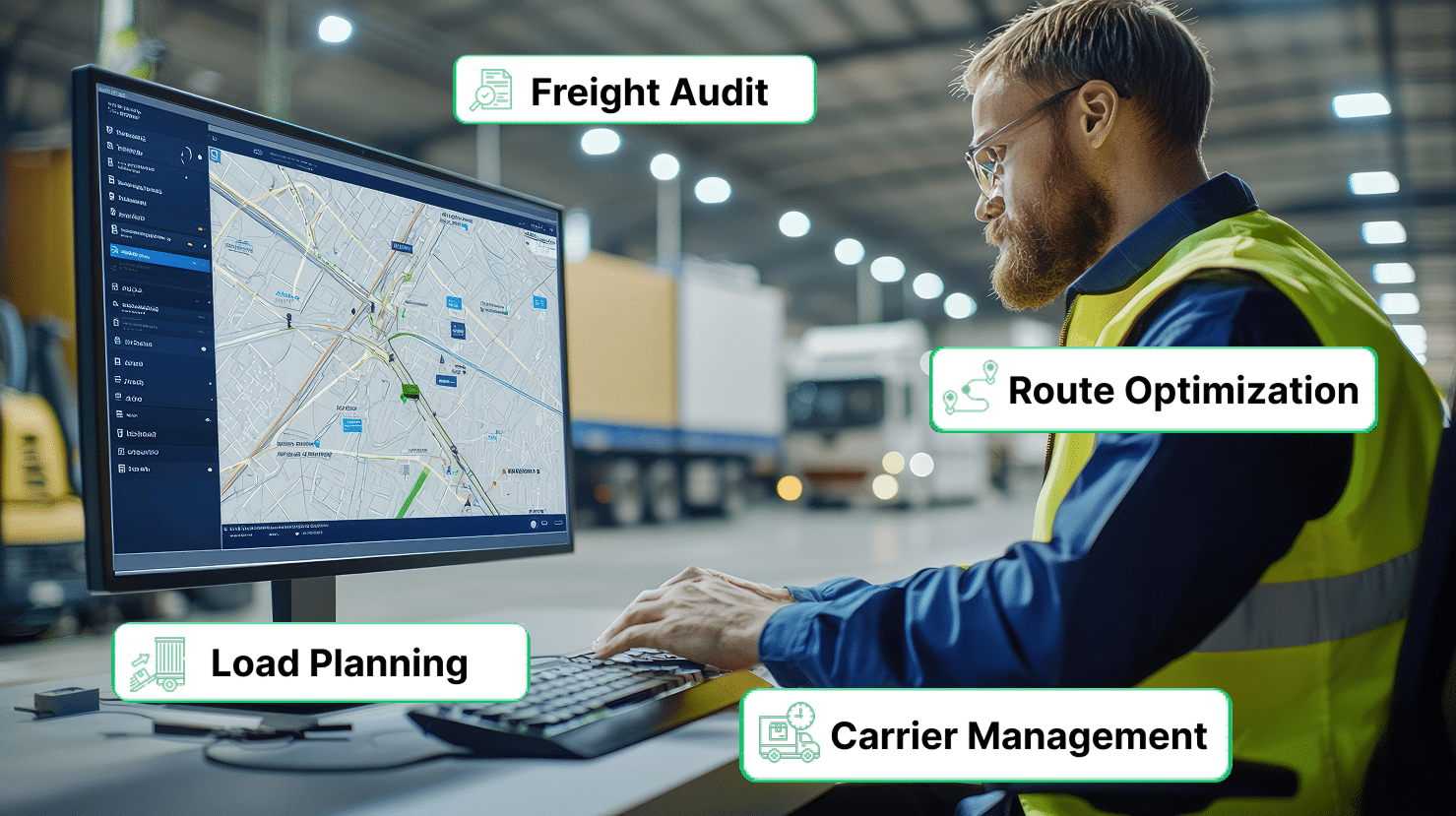
Let’s face it, manually handling freight audits and payment processes, such as validating charges, ensuring accurate invoicing, and processing payments, can be both time-consuming and prone to errors. TMS solutions streamline these tasks by automating charge verification against shipment data, preventing late payments, and ensuring faster, error-free transactions.
Automated Load Planning & Job Assignments
In logistics, making sure goods are loaded and distributed efficiently is key to keeping operations smooth and costs low. In large supply chains, it can be difficult to manage all the loads, routes, and resources manually. A Transportation Management System (TMS) automates the process by grouping shipments based on factors like size, weight, or delivery location, and then assigns the most suitable drivers and vehicles for each delivery.
To enhance logistics efficiency, tools like Visual LANSA and LANSA Integrator help in building a robust TMS. Visual LANSA allows businesses to rapidly develop or customize applications with minimal coding, such as creating dashboards, automating dispatch rules, or building user interfaces that align with logistics workflows. Meanwhile, LANSA Integrator ensures seamless communication between the TMS and other systems like warehouse management, ERP, or inventory platforms.
Carrier Management
Not only does a TMS solution streamline carrier selection, but it also helps logistics teams track carrier performance for cost-effective transportation. By using a TMS, businesses can integrate carrier management tools that evaluate the performance of carriers, such as on-time delivery and service quality, to make way for more informed decisions.
Route Optimization
Whether you are managing parcel dispatches, grocery deliveries, or large furniture shipments, delivery route optimization can make or break your ability to meet demand. With a TMS, you can effortlessly map out the most effective delivery routes by evaluating factors such as traffic conditions, delivery schedules, travel distance, fuel efficiency, and vehicle space.
Integration Capabilities
Since a TMS integrates with tools like CRM, ERP, and warehouse management systems, it will help users keep data connected and organized. LANSA offers advanced data integration software like LANSA Integrator to integrate third-party applications. With just simple commands, developers can integrate data into their transport management systems without the need for complex development effort or invasive integration techniques.
Benefits of a Transportation Management System
Offering a range of operational and strategic advantages that enhance the efficiency and visibility of logistics operations, transportation management systems are highly essential for any business looking to intelligently streamline supply chain activities and reduce costs. Below are some of the benefits of transportation management systems:
Real-Time Visibility
One of the major benefits of a modern TMS is the fact that it lets you monitor the movement and condition of shipments in real-time across the logistics network. With this capability, logistics teams can easily track deliveries as they happen, monitor estimated arrival times (ETA), and proactively detect delays or disruptions.
Cost Management
In addition to providing comprehensive visibility of freight operations, transport management solutions also play a crucial role in cost management by continuously monitoring freight spending, analyzing carrier rates, and identifying cost-saving opportunities such as mode optimization and route efficiency.
Automation for Compliance
While staying compliant with the constantly changing transportation regulations can be complex and time-consuming, it is a highly important factor that ensures logistics businesses do not face any legal troubles. A robust TMS ensures that all necessary documentation is completed accurately and on time, minimizing the risk of fines or delays due to non-compliance.
Documentation Management & Settlement
By automating the creation and sharing of documents like bills of lading or proof of delivery, a TMS reduces manual errors and administrative workload. In addition to that, it also facilitates faster and more accurate financial settlements between shippers and carriers by automatically matching shipment details with billing data, enhancing both speed and accuracy in payment processing.
How can Low-Code Platforms Help Build a TMS?
With traditional development becoming increasingly complex, low code platforms have offered an alternative way to build a transportation management system by significantly reducing the complexities traditionally associated with software development.
Unlike traditional development, which relies heavily on coding, these platforms enable faster time-to-value by providing pre-built templates and drag-and-drop features that streamline the development process. Additionally, low-code platforms typically offer a lower total cost of ownership (TCO) by minimizing development time, resource dependency, and long-term maintenance efforts. Needless to say, low code plays a critical role in modern TMS development by allowing organizations to quickly respond to logistics challenges, integrate with existing systems, and deploy custom features without deep coding expertise.
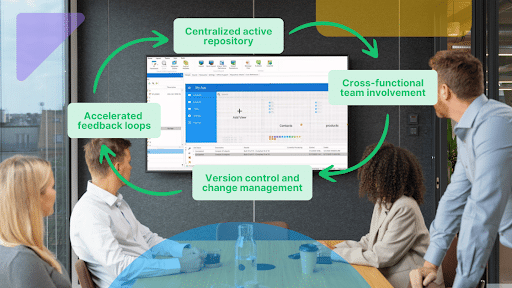
Not to mention, powerful low-code platforms like Visual LANSA are particularly well-suited for building scalable and customized TMS solutions. With a unified low-code language and a centralized active repository engine, Visual LANSA allows businesses and enterprises to accelerate development and deliver powerful transport management systems across web and mobile environments with ease.
For example, Hupac Group, an international freight shipment company, was experiencing difficulties due to a legacy IT system for over 30 years. To support its growth and enable future innovations without disrupting operations, Hupac turned to Visual LANSA to modernize and future-proof its transportation management infrastructure.
Using LANSA’s professional low-code platform, Hupac was able to reduce development time by 40% and maintenance costs by 50%, while delivering new functionality tailored to their evolving logistics needs. Their team developed a modern web-based booking system, giving customers the ability to book transport and view international train timetables online. They also created a real-time train monitoring system that provided complete visibility into transport operations and wagon fleet maintenance processes.
TMS in the Cloud
Considering the fact that cloud-based transportation management systems are hosted on the internet and accessed through a web browser or mobile device, it eliminates the need for costly on-premise hardware and software licenses. In fact, according to a study by BCG, enterprises can save between 15% to 40% on IT operating costs by moving to cloud-based solutions.
Cloud TMS solutions are easier to implement and upgrade, with minimal downtime and lower upfront investment. They are also significantly less expensive to maintain and operate. This approach offers a scalable infrastructure that can grow with business needs, making it ideal for companies of all sizes.
Future TMS Trends
As global supply chains become more and more complex and customer expectations rise, transportation management systems need to undergo rapid modernization to meet the demands of a digital-first world. Here are some of the upcoming trends in transportation management systems that will shape the future of logistics:
Artificial Intelligence (AI) & Generative AI
By leveraging AI, transport management solutions are enabling intelligent planning and predictive analytics that deliver instant insights and recommendations to enhance efficiency and reduce human intervention.
Internet of Things (IoT)
As the Internet of Things (IoT) continues to evolve, its role in transportation management is becoming more prominent, enabling users to use their devices and retrieve data on vehicle location and cargo status. In the near future, it will also allow supply chains to further modernize their fleet operations by enabling proactive issue resolution and data-driven logistics management.
Cloud Computing
The shift towards cloud-based solutions is starting to be reflected in transport management systems as well, with companies proactively implementing them due to their scalable infrastructure, seamless collaboration, and access to data from anywhere.
Sustainable Logistics
With sustainability becoming a core feature of any modern software solution, next-generation TMS platforms are also embracing it by integrating features that support electric vehicles, renewable energy usage, and optimized routing to align with global environmental goals.
Modernization
Automation and smart systems have taken center stage in today’s world. Businesses are increasingly replacing their legacy TMS solutions with modern ones that have advanced features like real-time analytics, AI-powered automation, cloud deployment, and seamless integration with other digital tools.
IBM i Modernization and rapid application development platforms like Visual LANSA allow businesses to keep pace with the latest digital innovations and transition from legacy systems to a modern, sustainable platform, without disruption.
Conclusion
In today’s increasingly complex and fast-paced logistics environment, a robust transportation management system is no longer optional, but indispensable for any business handling logistics. From route optimization and real-time tracking to compliance automation and cost savings, a modern TMS can significantly elevate the efficiency and reliability of your supply chain operations.
When developed with low-code platforms like Visual LANSA, deploying a custom TMS has never been easier. With built-in tools for creating interactive dashboards, automating logistics workflows, and embedding real-time analytics, Visual LANSA empowers businesses to build robust TMS solutions that are agile, scalable, and insight-driven.
In addition to that, LANSA Integrator allows teams to quickly connect with third-party carriers, ERP systems, and tracking services via APIs, enabling faster development cycles and seamless connectivity.
Contact us today and discover how Visual LANSA can help you create high-performance, custom-built transportation systems that align with your unique business goals and future growth.
References
[1] Transportation Management System Market Statistics and Forecast- 2027,” Allied Market Research. https://www.alliedmarketresearch.com/transportation-management-market-A06268
[2] https://www.bcg.com/about/people/experts/hrishi-hrishikesh, “For Many Enterprise Applications, the Cloud Is Ready for Prime Time,” BCG Global, Jan. 08, 2021. https://www.bcg.com/publications/2019/enterprise-applications-cloud-ready-prime-time